
Reviewed and updated: October 4, 2026
The practical answer
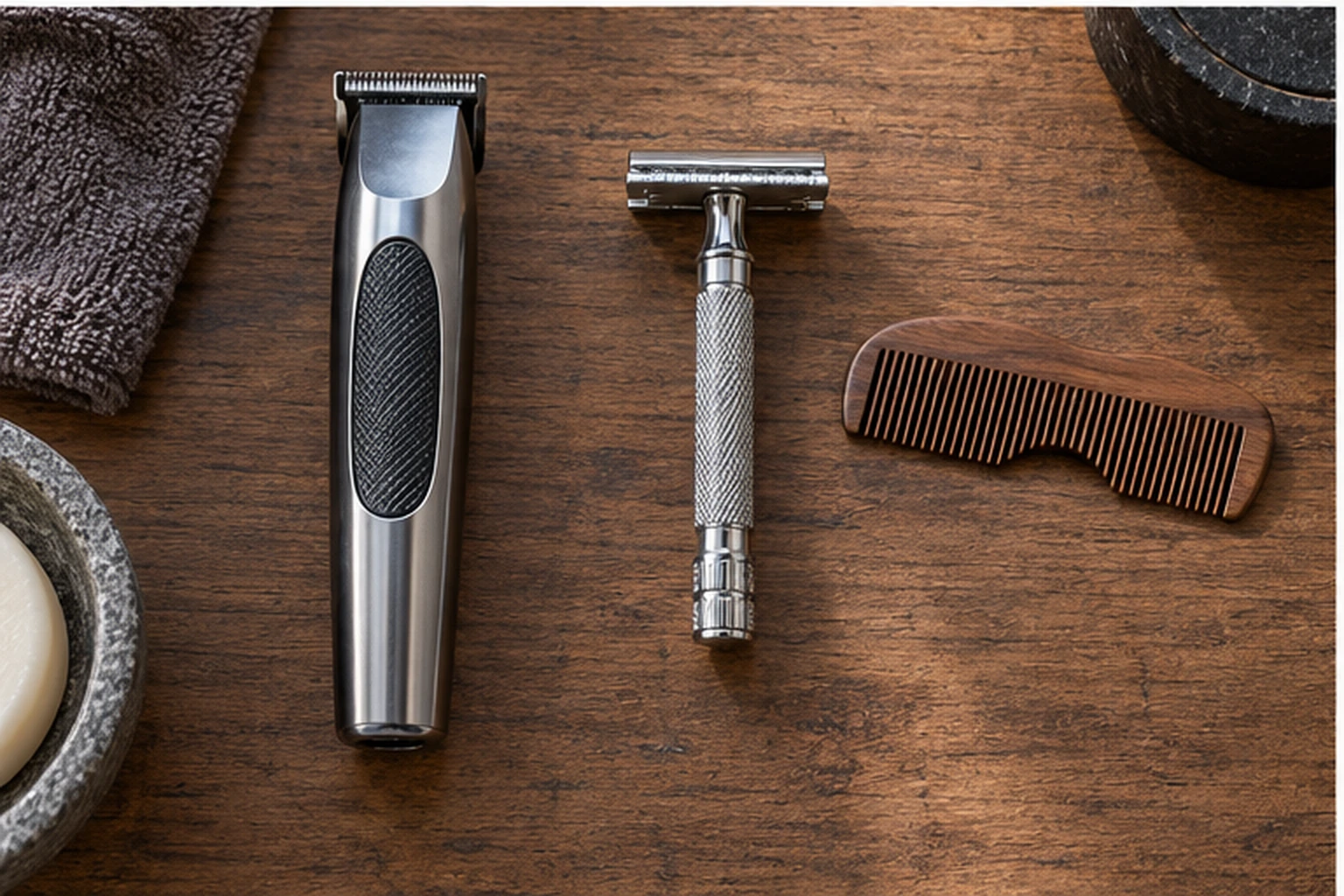
Mustache edges need visibility and control more than extreme closeness. Compare head width, blade exposure, grip, replacement availability, and whether a trimmer or detail razor better matches the intended line.
Comfort comes before extreme closeness
A good shave removes the intended hair without lasting burning, cuts, swollen bumps, or repeated scraping. Preparation, lubrication, hair direction, blade condition, and light pressure matter more than chasing a perfectly smooth result.
Mustache edges need visibility and control more than extreme closeness. Compare head width, blade exposure, grip, replacement availability, and whether a trimmer or detail razor better matches the intended line.
Compare geometry and consumables
Check the exact head, handle, blade format, alignment, grip, and replacement supply. Closely related razors can feel different because weight and leverage change pressure.
Mustache edges need visibility and control more than extreme closeness. Compare head width, blade exposure, grip, replacement availability, and whether a trimmer or detail razor better matches the intended line.
Build a repeatable pass pattern
Soften hair, apply adequate lubrication, begin with the grain, and use short strokes. Rinse the cutting edge often. Reapply lubricant before another pass and stop when the skin has had enough.
Mustache edges need visibility and control more than extreme closeness. Compare head width, blade exposure, grip, replacement availability, and whether a trimmer or detail razor better matches the intended line.
Protect sensitive skin
Do not shave across active infection, painful cysts, or open lesions. Curly hair and a history of ingrown hairs may benefit from leaving a small amount of length.
Mustache edges need visibility and control more than extreme closeness. Compare head width, blade exposure, grip, replacement availability, and whether a trimmer or detail razor better matches the intended line.
Four checks before choosing
- Exact identity
Match the full model or formula, size, seller, and current directions. - Comfort and fit
Choose the least aggressive option that reliably performs the intended job. - Upkeep
Confirm cleaning, replacement parts, storage, and ongoing cost. - Support
Prefer clear warranty, returns, contact information, and realistic claims.
How to test it without overdoing it
Begin with the smallest practical amount, lowest setting, longest guard, or gentlest technique. Test one change at a time and give the result enough time to judge delayed irritation, buildup, or wear. Stop when comfort declines rather than correcting the same area repeatedly.
Keep the packaging or model information until the product has proved suitable. Record the setting, amount, replacement part, and cleaning method that worked so the routine can be repeated instead of reinvented.
Safety and individual differences
Mustache edges need visibility and control more than extreme closeness. Compare head width, blade exposure, grip, replacement availability, and whether a trimmer or detail razor better matches the intended line. Personal health, skin sensitivity, hair pattern, household setup, age, medication, and professional requirements can change the safest choice. Follow the current instructions and seek qualified help for persistent, severe, sudden, or unexplained problems.
A practical choice for your routine
Precision Razor for Mustache Grooming
We’d favor a small, controllable head when clear mustache edges matter more than a full-face shave.
As an Amazon Associate, this site earns from qualifying purchases.
Frequently asked questions
Is the highest-rated option automatically best?
No. Ratings can combine different versions and priorities. Fit, instructions, support, comfort, and the exact intended use matter more.
Should I choose the strongest setting or formula?
Use the lowest intensity that accomplishes the job. More force, heat, fragrance, active ingredient, or cutting exposure can increase irritation or risk.
How long should I test it?
Judge immediate control and comfort, then watch for delayed irritation, residue, maintenance burden, and replacement cost over several uses.
When should I stop?
Stop for pain, bleeding, burning, swelling, numbness, a spreading reaction, damaged equipment, or results that worsen with continued use.
Keep the decision current
Inspect the product before every use and retire it when wear changes comfort, hygiene, fit, temperature, alignment, or control. Do not extend useful life through improvised electrical, blade, structural, or chemical modifications.
The most dependable routine is easy to understand, affordable to maintain, and conservative enough to repeat. Keep notes on what worked and review them before buying a replacement.
Sources and review notes
- American Academy of Dermatology: Razor-bump remedies
- American Academy of Dermatology: Skin care basics
This guide provides general education and does not replace medical, dental, plumbing, electrical, or professional advice.