
Reviewed and updated: October 2, 2026
The direct answer
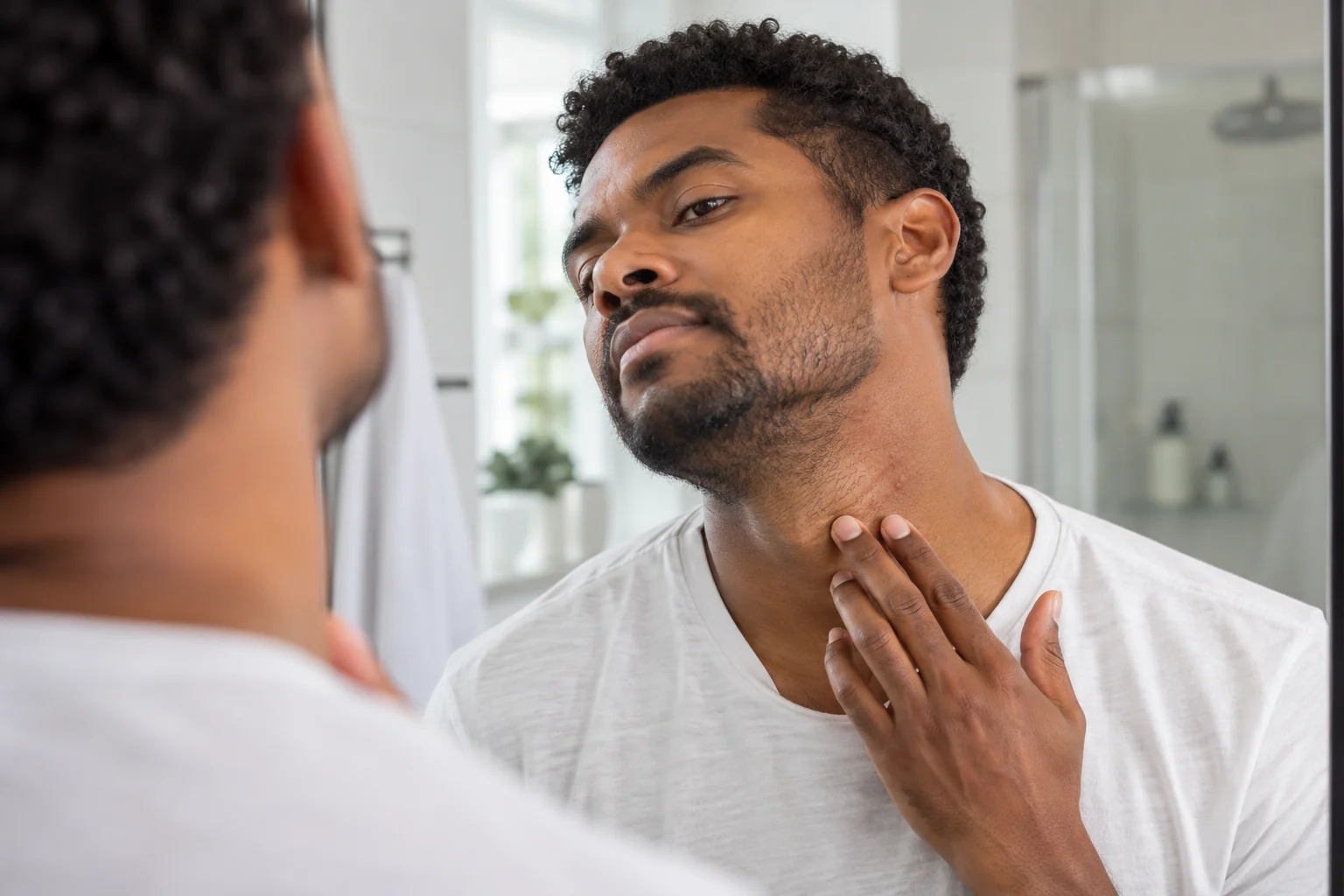
The two problems can occur together but are not identical. Razor burn often appears soon after shaving as stinging, redness, or tenderness. Razor bumps, also called pseudofolliculitis barbae, are inflamed papules caused when hair grows back into the skin. Curly or coarse hair is more likely to re-enter, so the condition disproportionately affects some skin and hair types.
A very close cut can leave a sharpened hair end below the surrounding skin. As it grows, it may pierce the follicle wall or curve back through the surface, triggering inflammation. Pressure, repeated passes, dull blades, and shaving against growth can increase the chance. Picking adds trauma and may lead to infection, discoloration, or scarring.
What changes the result
Small differences in hair pattern, skin type, tools, and maintenance can change the best approach. Use these factors as a decision guide rather than a rigid checklist.
- Pause close shaving when possible and allow active bumps to settle.
- Map the direction of growth because beard hair often changes direction across the neck.
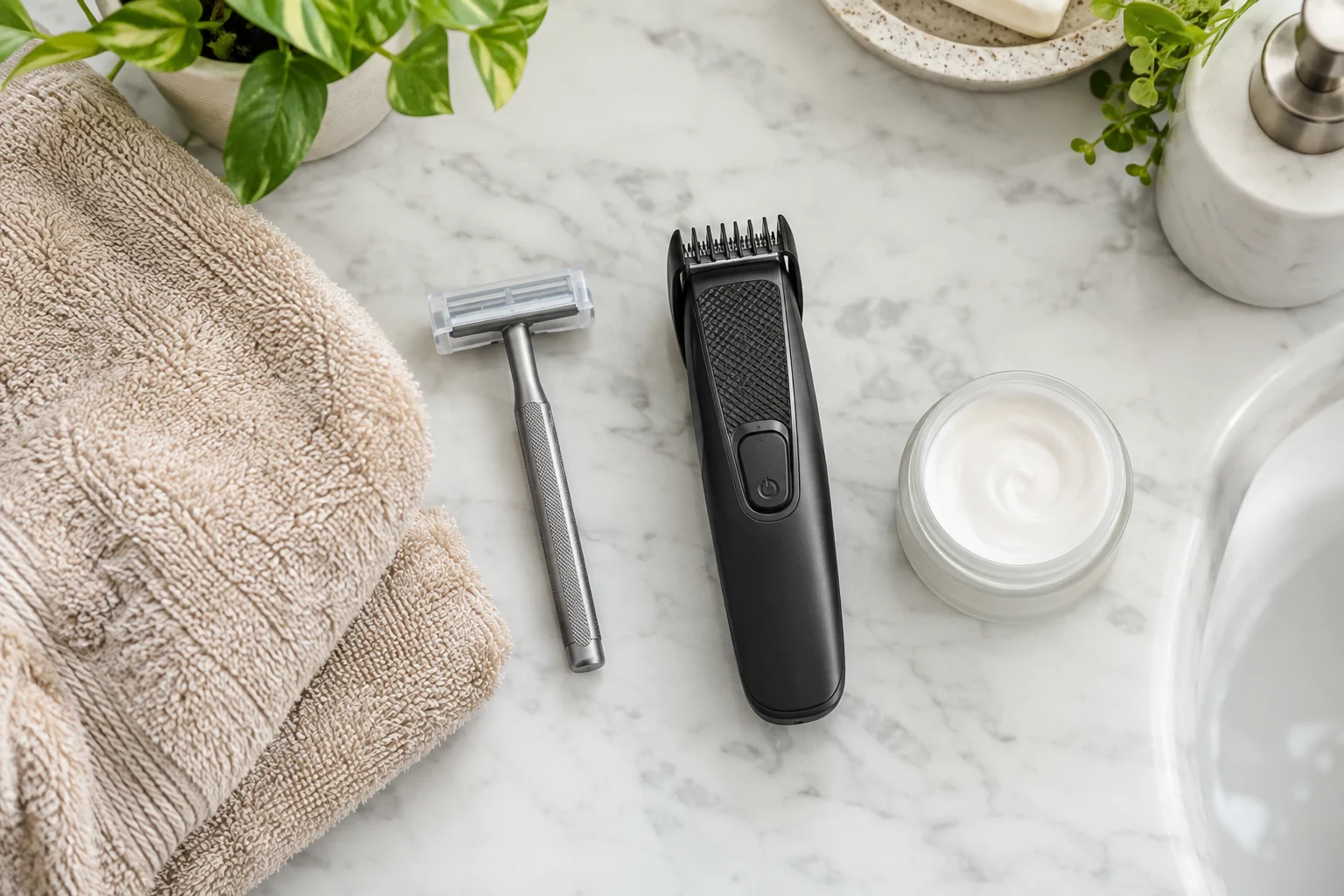
- Consider a single blade or guarded trimmer that leaves a small amount of hair above the skin.
- Use non-comedogenic fragrance-free products when acne or sensitivity is also present.
Take photographs or brief notes when testing a new routine. A record makes it easier to tell whether the change truly improves comfort and appearance instead of relying on the first few minutes after grooming.
A practical step-by-step routine
- Apply a warm damp cloth or shave after a shower to soften the hair. This creates a consistent starting point and reduces avoidable irritation.
- Use moisturizing shave cream and let it remain briefly before starting. Use a light touch and stop if the skin or area becomes less comfortable.
- Shave with growth direction using light pressure without stretching the skin. The aim is a repeatable routine, not the most aggressive result in one session.
- Rinse the blade frequently, limit passes, and never try to shave a bump flat. Pause to inspect the result in ordinary light before making another change.
- Apply a cool damp cloth and gentle moisturizer, then clean and dry the tool. Clean, dry, and store tools or devices according to their instructions when finished.
Change one part of the routine at a time. That makes it easier to identify the cause of dryness, bumps, buildup, uneven trimming, or another unwanted result. Consistency also protects against the cycle of overcorrecting one day and trying to repair it the next.
Common mistakes and better adjustments
Do not dig out hairs with a needle or squeeze bumps. Avoid harsh scrubs on inflamed skin and do not combine multiple strong acids without professional guidance. Shaving more aggressively to make the area look smooth usually restarts the cycle.
Marketing often turns a modest grooming benefit into a biological promise. Separate appearance, softness, hold, and ease of trimming from claims about changing follicles or permanently altering growth. A realistic goal is easier to evaluate and maintain.
When to get professional help
A dermatologist can distinguish razor bumps from acne, bacterial folliculitis, fungal infection, or another condition. Seek help for pus, increasing warmth, rapidly spreading redness, fever, severe pain, deep grooves, raised scars, or dark marks that continue to accumulate.
Stop a new product or technique when it causes worsening discomfort. Photograph a reaction in clear light and keep the ingredient list or device information. Those details can help a dermatologist or other clinician distinguish irritation, allergy, infection, ingrown hair, and an unrelated condition.
Frequently asked questions
How quickly do bumps disappear?
Mild bumps may improve over days to weeks once close shaving stops, but recurrent or scar-forming disease needs care. The practical answer should be adjusted when skin comfort or growth pattern points in another direction.
Can exfoliation help?
Gentle appropriate exfoliation may help some people, but inflamed skin can worsen with harsh scrubbing. The practical answer should be adjusted when skin comfort or growth pattern points in another direction.
Should an ingrown hair be pulled out?
Avoid digging or plucking. Releasing a visible loop may be advised in some care plans, but the hair should not be traumatically removed. The practical answer should be adjusted when skin comfort or growth pattern points in another direction.
Are razor bumps acne?
No, although they can look similar and can coexist. The practical answer should be adjusted when skin comfort or growth pattern points in another direction.
How to evaluate your result
Give the approach enough time to observe comfort, function, and any delayed irritation, but do not continue through worsening symptoms. Compare the result with a simple baseline: what you could do before, what changed afterward, and how long that change lasted.
A useful routine is repeatable and proportionate. It should not require increasing intensity, hiding side effects, or accepting claims that cannot be measured. When the outcome is unclear, simplify the routine and ask a qualified professional for guidance.
A final check before you finish
Step away for a few minutes, then look again in ordinary light. Check comfort first, followed by overall balance and only then small details. Clean the tools you used, note any product that touched the skin, and avoid making another major change on the same day. This pause helps prevent a minor imperfection from turning into irritation or an uneven result. A routine that remains comfortable and presentable between sessions is more useful than one that looks perfect only immediately after grooming.
Building a routine you can maintain
Start with the least complicated version of the routine and keep it consistent for several grooming sessions. Use clean tools, work in good light, and avoid changing the product, trimming method, and schedule all at once. When several variables change together, it becomes difficult to know what improved the result or caused irritation.
Pay attention to the skin as closely as the hair. Redness, tightness, persistent itching, tender bumps, and flaking are signals to reduce friction or reconsider a product. A polished beard cannot compensate for uncomfortable skin underneath it. Gentle cleansing, careful drying, and modest amounts of product are usually easier to manage than repeated deep cleaning or heavy layering.
Review the result at normal conversational distance as well as close up. Small differences that look dramatic in a magnifying mirror may be invisible in daily life. Set a stopping point before trimming and allow the hair to settle after washing. If a change does not improve comfort, shape, or ease of maintenance, return to the simpler routine instead of adding another corrective step.
Sources and review notes
- American Academy of Dermatology: preventing razor bumps
- American Academy of Dermatology: folliculitis
- American Academy of Dermatology: ingrown hairs in the beard area
Claims are limited to the evidence and grooming guidance cited here.