
Reviewed and updated: October 4, 2026
The practical answer
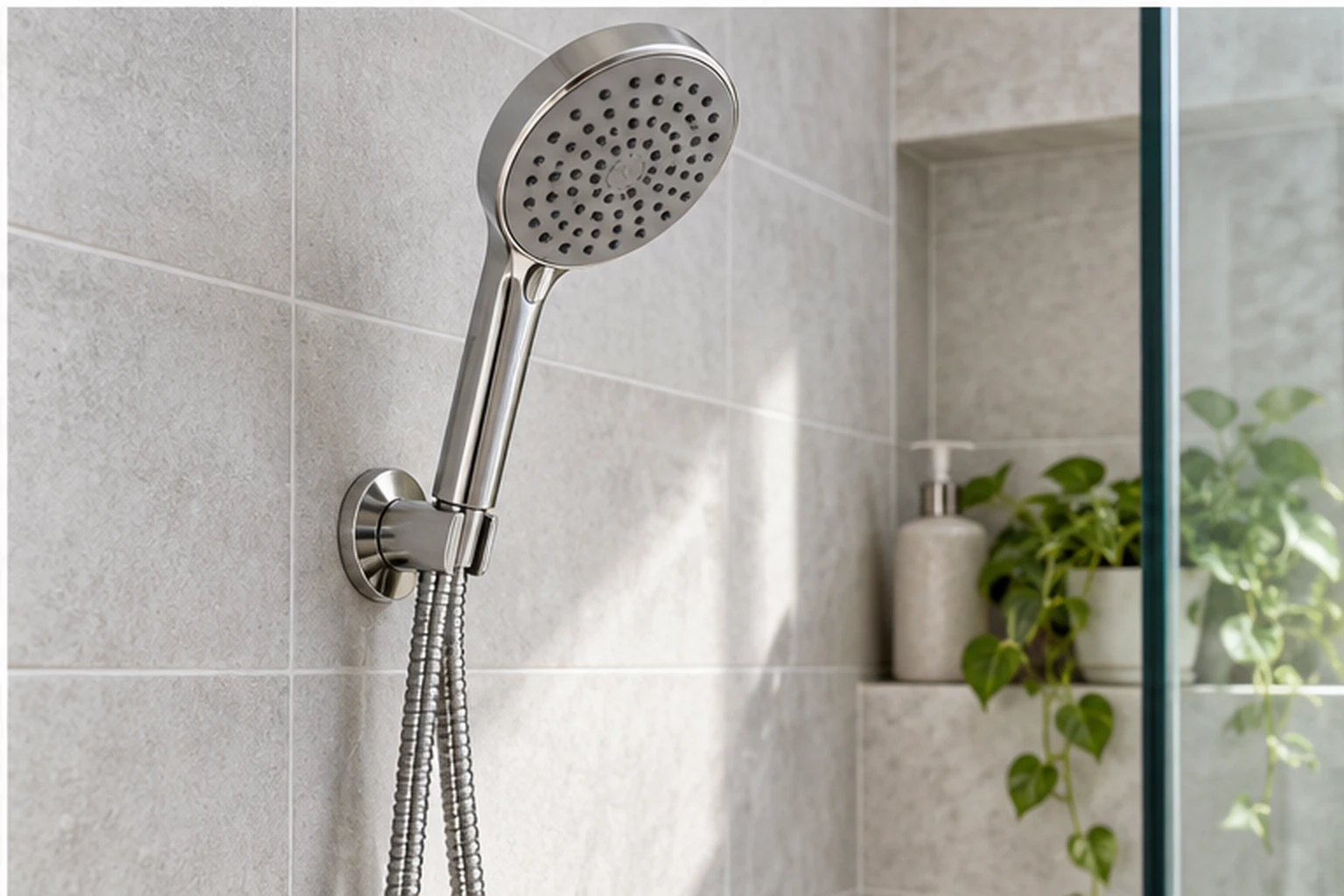
A showerhead cannot fix every plumbing problem. Check supply pressure, clogged screens, hose restrictions, local flow limits, connection size, spray pattern, and ease of cleaning before replacing the fixture.
This update replaces old product claims with a selection process that remains useful as inventory changes. Check the current label, instructions, seller, warranty, and return policy before relying on any recommendation.
Check the problem before buying
Confirm whether the issue comes from supply pressure, mineral hardness, chlorine, sediment, a clogged screen, hose restriction, or another plumbing condition. The wrong accessory cannot correct the underlying cause.
A showerhead cannot fix every plumbing problem. Check supply pressure, clogged screens, hose restrictions, local flow limits, connection size, spray pattern, and ease of cleaning before replacing the fixture.
Verify claims and compatibility
Check connection size, dimensions, rated flow, materials, certifications where relevant, cartridge schedule, warranty, and local requirements. Marketing language should match a specific measurable claim.
A showerhead cannot fix every plumbing problem. Check supply pressure, clogged screens, hose restrictions, local flow limits, connection size, spray pattern, and ease of cleaning before replacing the fixture.
Plan maintenance before installation
An accessory that is difficult to clean or needs expensive cartridges can become neglected. Keep the manual, installation parts, purchase details, and replacement schedule together.
A showerhead cannot fix every plumbing problem. Check supply pressure, clogged screens, hose restrictions, local flow limits, connection size, spray pattern, and ease of cleaning before replacing the fixture.
Test for leaks and normal function
Install as directed, use approved tape or washers where specified, and check connections under normal flow. Stop if a fitting cracks, leaks, reduces safe temperature control, or damages the fixture.
A showerhead cannot fix every plumbing problem. Check supply pressure, clogged screens, hose restrictions, local flow limits, connection size, spray pattern, and ease of cleaning before replacing the fixture.
Four checks before choosing
- Exact identity
Match the full model or formula, size, seller, and current directions. - Comfort and fit
Choose the least aggressive option that reliably performs the intended job. - Upkeep
Confirm cleaning, replacement parts, storage, and ongoing cost. - Support
Prefer clear warranty, returns, contact information, and realistic claims.
How to test it without overdoing it
Begin with the smallest practical amount, lowest setting, longest guard, or gentlest technique. Test one change at a time and give the result enough time to judge delayed irritation, buildup, or wear. Stop when comfort declines rather than correcting the same area repeatedly.
Keep the packaging or model information until the product has proved suitable. Record the setting, amount, replacement part, and cleaning method that worked so the routine can be repeated instead of reinvented.
Safety and individual differences
A showerhead cannot fix every plumbing problem. Check supply pressure, clogged screens, hose restrictions, local flow limits, connection size, spray pattern, and ease of cleaning before replacing the fixture. Personal health, skin sensitivity, hair pattern, household setup, age, medication, and professional requirements can change the safest choice. Follow the current instructions and seek qualified help for persistent, severe, sudden, or unexplained problems.
Check current availability
View current Amazon search results for handheld shower head low pressure (paid link). As an Amazon Associate, this site earns from qualifying purchases. Prices, sellers, bundles, and availability change; verify the exact current product before ordering.
Frequently asked questions
Is the highest-rated option automatically best?
No. Ratings can combine different versions and priorities. Fit, instructions, support, comfort, and the exact intended use matter more.
Should I choose the strongest setting or formula?
Use the lowest intensity that accomplishes the job. More force, heat, fragrance, active ingredient, or cutting exposure can increase irritation or risk.
How long should I test it?
Judge immediate control and comfort, then watch for delayed irritation, residue, maintenance burden, and replacement cost over several uses.
When should I stop?
Stop for pain, bleeding, burning, swelling, numbness, a spreading reaction, damaged equipment, or results that worsen with continued use.
Final buying checklist
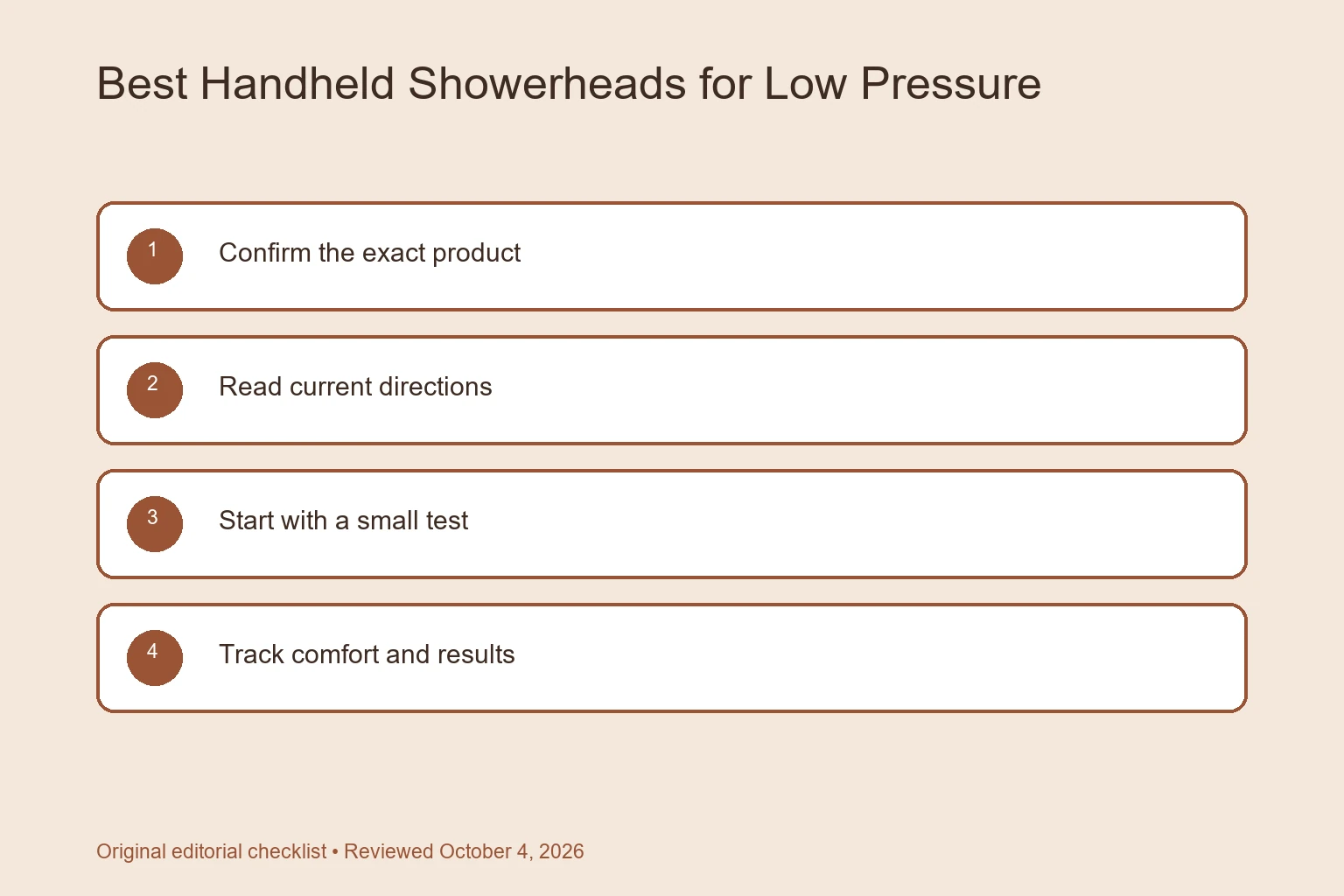
Confirm the exact name and version; read the current directions; compare total ownership cost; check replacement availability; review the return policy; and reject unsupported treatment promises. A simpler product that is easy to use correctly is usually a better choice than a complicated one that invites workarounds.
Keep the decision current
Products, bundles, formulas, and seller support change. Recheck the manufacturer page and instructions when replacing an item, even when the package looks familiar. A saved marketplace link may lead to a revised version or a different seller later.
Inspect the product before every use and retire it when wear changes comfort, hygiene, fit, temperature, alignment, or control. Do not extend useful life through improvised electrical, blade, structural, or chemical modifications.
The most dependable routine is easy to understand, affordable to maintain, and conservative enough to repeat. Keep notes on what worked and review them before buying a replacement.
Sources and review notes
This guide provides general education and does not replace medical, dental, plumbing, electrical, or professional advice.