

Reviewed and updated: October 2, 2026
What a cold shower can—and cannot—do
Cold water produces an immediate body response. Breathing speeds up, skin blood vessels narrow, and heart rate and blood pressure can rise. That jolt explains why many people feel awake afterward. It does not prove that a cold shower boosts immunity, raises testosterone, causes meaningful weight loss, treats depression, or “detoxes” the body.
Those larger claims appeared in the original version of this article, but the evidence is not strong enough to present them as facts. Reviews of cold-water therapy describe interesting early findings while also emphasizing small studies, mixed methods, and the need for better trials. Most research involves swimming or immersion, often at measured temperatures and durations. A two-minute shower at home may produce a different effect.
Possible benefits supported by limited evidence
Alertness and a sense of energy
The immediate cold-shock response can make a person feel alert. Faster breathing and sympathetic nervous-system activity are real short-term responses, although feeling energized is subjective and may not last. If your goal is simply to feel more awake, a cool finish may be reasonable when it is comfortable and safe.
Exercise recovery
Cold-water immersion has been studied more than cold showers for recovery after strenuous exercise. Some evidence suggests it can reduce perceived muscle soreness over the following day or two. That does not mean it removes lactic acid, repairs an injury, or improves every type of training adaptation. Athletes with a specific recovery plan should follow guidance from a qualified coach or clinician.
Mood and stress
People often report a brighter mood or a feeling of accomplishment after voluntary cold exposure. Researchers are exploring nervous-system and metabolic pathways that might explain those experiences. Current evidence is not a basis for replacing counseling, medication, sleep, exercise, or other mental-health care. A cold shower is a personal routine, not treatment for depression or anxiety.
A gentler way to try it
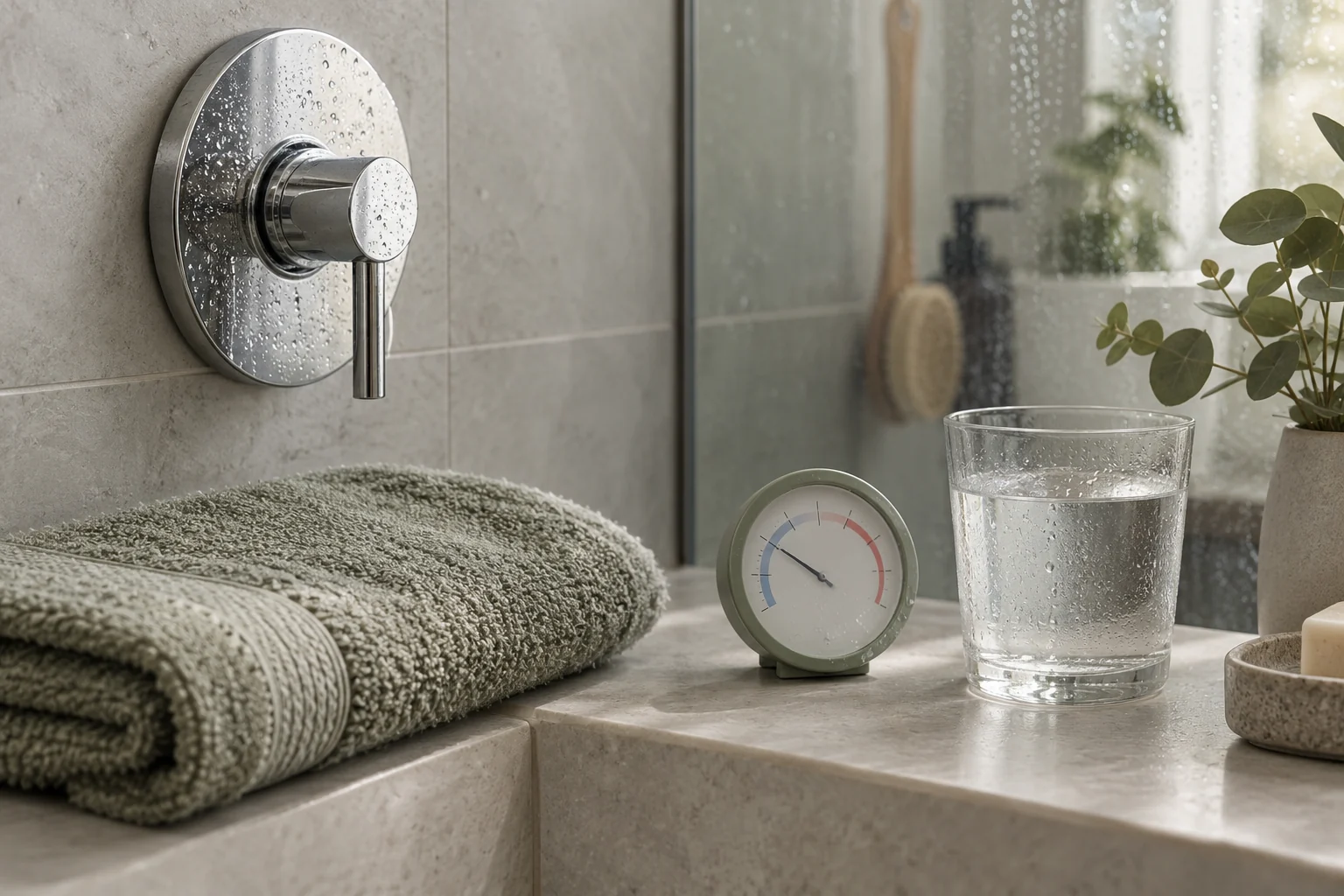
Start with a normal warm shower. Near the end, turn the water slightly cooler for 15 to 30 seconds while keeping your breathing steady. Over several sessions, you can extend the cool portion toward one or two minutes if it still feels comfortable. “Cool” is enough; you do not need painfully cold water to test whether you enjoy the routine.
Keep the bathroom floor clear and use a nonslip surface. Face away from the stream while changing the temperature so the first cold water does not hit your face or chest unexpectedly. Stop if you become dizzy, numb, confused, short of breath, or unable to control your breathing. Warm up with dry clothes and ordinary room warmth rather than extreme heat.
Who should be especially cautious?
Sudden cold exposure places extra demand on the heart and breathing. Ask a clinician before trying it if you have heart disease, an abnormal rhythm, uncontrolled high blood pressure, Raynaud phenomenon, significant circulation problems, cold urticaria, severe asthma triggered by cold, or a history of fainting. People who are pregnant, older, medically fragile, or taking medicines that affect heart rate or blood pressure may also want individualized advice.
Do not use a cold shower to treat heat illness, a serious injury, fever, or a medical emergency. Cold exposure can also worsen numbness and make it harder to notice skin injury. If you feel chest pain, faint, develop severe breathing trouble, or have symptoms that do not settle after warming, seek urgent medical care.
Common claims, checked
| Claim | What is reasonable to say |
|---|---|
| “Boosts immunity” | Some studies examine immune markers or sickness absence, but a reliable protective effect from showers is not established. |
| “Burns fat” | Cold can increase heat production, but a brief shower is not a meaningful weight-loss plan. |
| “Raises testosterone or fertility” | Evidence does not support promising either result from cold showers. |
| “Cures depression” | Cold exposure is being studied; it should not replace mental-health treatment. |
| “Improves hair and skin” | Cool water may feel less drying than very hot water, but it does not seal pores or cure skin disease. |
How to decide whether to continue
Judge the routine by simple outcomes: Do you feel comfortably alert? Does it fit your morning without dread, prolonged shivering, or skin irritation? Can you breathe normally and warm up quickly? If the answer is yes, a brief cool finish can remain a preference. If it causes distress or you simply dislike it, there is no health requirement to keep doing it.
The most dependable foundations for energy and recovery remain adequate sleep, nutrition, movement, hydration, and appropriate medical care. A cold shower can sit beside those habits, but it should not carry claims the research cannot support.
Cold shower questions people often ask
Is morning better than evening?
There is no established best time. Morning exposure may feel naturally alerting. At night, that same response may be stimulating rather than relaxing, even though individual experiences differ. Choose a time that does not interfere with sleep and avoid relying on cold water to correct chronic fatigue.
Should the water hit your head first?
No. Beginning with hands, feet, or shoulders can make the change less startling. Keep your face out of the stream until your breathing is controlled. There is no need to prove toughness by starting with the most sensitive area.
Is a cold shower the same as an ice bath?
No. Immersion surrounds much more of the body and can cool it rapidly, especially outdoors. Shower temperature also fluctuates. Findings from immersion studies are background evidence, not a precise prescription for shower length or temperature.
What if you shiver afterward?
Mild, brief shivering can occur, but prolonged or violent shivering means the exposure was too much. Dry off, dress warmly, and skip the next session. Confusion, clumsiness, unusual sleepiness, or trouble warming are reasons to seek help.
After a cool finish, dry off and let your body warm normally. A cold shower should not leave you dizzy, weak, numb, or unable to concentrate. Treat those reactions as a reason to stop rather than a challenge to overcome. Comfort and steady breathing matter more than reaching a particular temperature.
Sources & evidence notes
- 2024 review of cold-water therapy and healthy aging
- Review of cold-water immersion benefits and risks
- Physiological responses to cold-water immersion
Evidence about immersion is discussed cautiously because it cannot be assumed to apply fully to showers.