

Reviewed and updated: October 2, 2026
The direct answer
Biotin helps enzymes process fats, carbohydrates, and amino acids. A true deficiency can affect hair, skin, and nails, so correcting a diagnosed deficiency matters. That does not mean extra biotin improves hair in someone who already gets enough. Facial-hair density is driven mainly by follicles, genetics, age, hormones, and overall health.
Supplements often contain amounts far above daily needs. The body may excrete much of the excess, but high blood concentrations can distort certain laboratory assays. The FDA and NIH have highlighted interference involving some hormone and cardiac tests. A supplement can therefore create risk without delivering the advertised beard benefit.
What changes the result
Small differences in hair pattern, skin type, tools, and maintenance can change the best approach. Use these factors as a decision guide rather than a rigid checklist.
- Review diet and symptoms with a clinician instead of diagnosing deficiency from slow beard growth alone.
- Tell every clinician and laboratory about biotin use before blood testing.
- Check all multivitamins and hair products because biotin may appear in more than one supplement.
- Investigate sudden or patchy loss rather than continually increasing the dose.
Take photographs or brief notes when testing a new routine. A record makes it easier to tell whether the change truly improves comfort and appearance instead of relying on the first few minutes after grooming.
A practical step-by-step routine
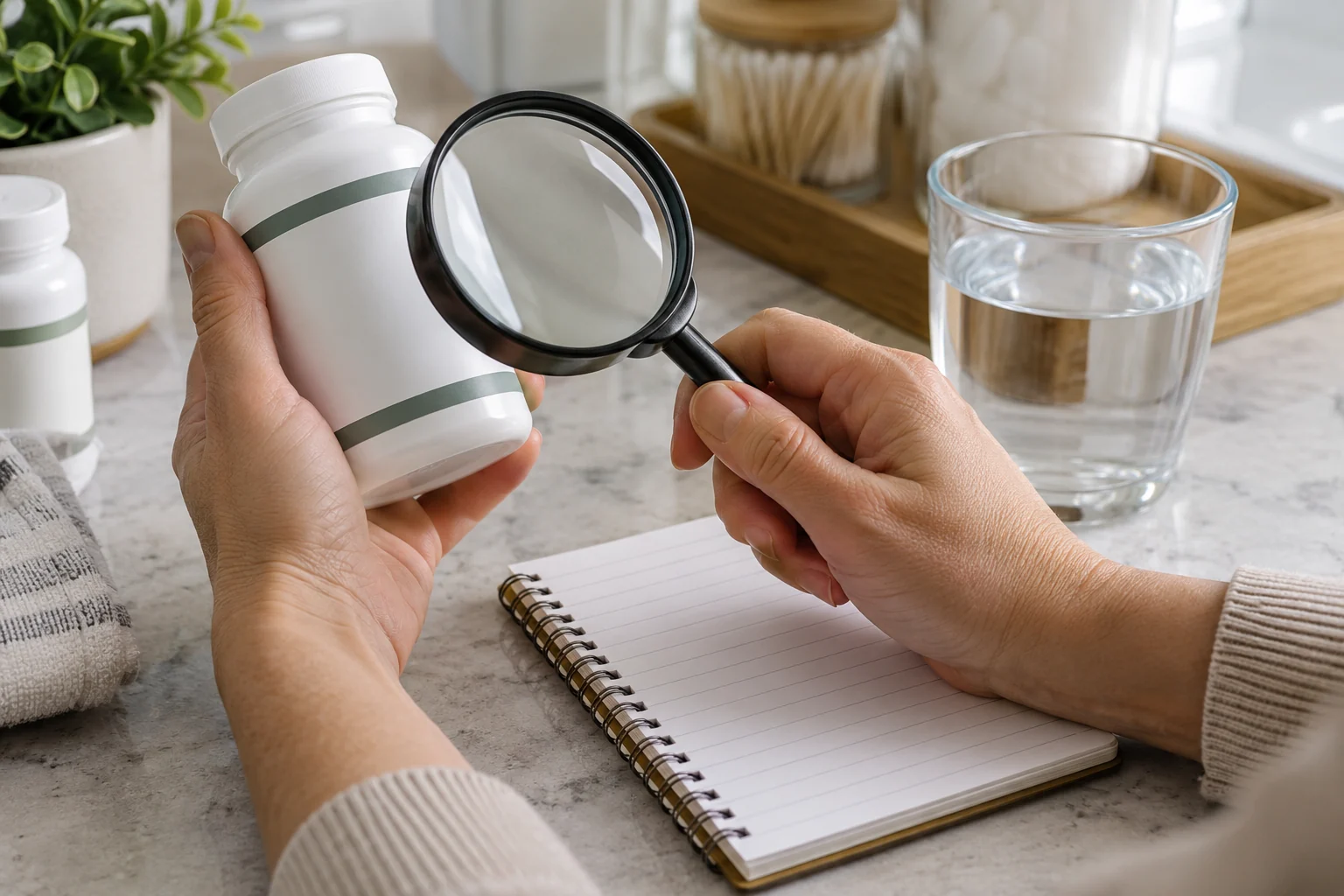
- Write down the exact supplement name, amount, and frequency before discussing it with a clinician. This creates a consistent starting point and reduces avoidable irritation.
- Prefer a balanced diet with varied protein and nutrient sources unless testing identifies a need. Use a light touch and stop if the skin or area becomes less comfortable.
- If supplementation is recommended, use the advised amount rather than a beauty-marketing dose. The aim is a repeatable routine, not the most aggressive result in one session.
- Follow laboratory instructions about when to pause biotin before a test. Pause to inspect the result in ordinary light before making another change.
- Track the underlying symptom and stop for unexpected effects or conflicting medical advice. Clean, dry, and store tools or devices according to their instructions when finished.
Change one part of the routine at a time. That makes it easier to identify the cause of dryness, bumps, buildup, uneven trimming, or another unwanted result. Consistency also protects against the cycle of overcorrecting one day and trying to repair it the next.
Common mistakes and better adjustments
A common error is equating a deficiency symptom with proof of deficiency. Hair changes have many causes. Another is assuming water-soluble means harmless at any dose. The most important known concern is misleading lab results, which can delay or confuse diagnosis.
Marketing often turns a modest grooming benefit into a biological promise. Separate appearance, softness, hold, and ease of trimming from claims about changing follicles or permanently altering growth. A realistic goal is easier to evaluate and maintain.
When to get professional help
Seek medical evaluation for rapid shedding, smooth bald patches, scarring, fatigue, weight change, skin rash, or other systemic symptoms. Chest pain, shortness of breath, or other urgent symptoms should never be interpreted through a supplement claim; get appropriate care and disclose biotin use.
Stop a new product or technique when it causes worsening discomfort. Photograph a reaction in clear light and keep the ingredient list or device information. Those details can help a dermatologist or other clinician distinguish irritation, allergy, infection, ingrown hair, and an unrelated condition.
Frequently asked questions
Does biotin thicken a normal beard?
Reliable evidence does not show that extra biotin increases density when deficiency is absent. The practical answer should be adjusted when skin comfort or growth pattern points in another direction.
Which foods contain biotin?
Eggs, fish, meat, nuts, seeds, and some vegetables contribute biotin within a varied diet. The practical answer should be adjusted when skin comfort or growth pattern points in another direction.
Can biotin affect thyroid tests?
High intake can interfere with some assays, including certain thyroid and cardiac tests. The practical answer should be adjusted when skin comfort or growth pattern points in another direction.
Should I stop before bloodwork?
Ask the ordering clinician or laboratory because the timing depends on dose and test. The practical answer should be adjusted when skin comfort or growth pattern points in another direction.
How to evaluate your result
Give the approach enough time to observe comfort, function, and any delayed irritation, but do not continue through worsening symptoms. Compare the result with a simple baseline: what you could do before, what changed afterward, and how long that change lasted.
A useful routine is repeatable and proportionate. It should not require increasing intensity, hiding side effects, or accepting claims that cannot be measured. When the outcome is unclear, simplify the routine and ask a qualified professional for guidance.
A final check before you finish
Step away for a few minutes, then look again in ordinary light. Check comfort first, followed by overall balance and only then small details. Clean the tools you used, note any product that touched the skin, and avoid making another major change on the same day. This pause helps prevent a minor imperfection from turning into irritation or an uneven result. A routine that remains comfortable and presentable between sessions is more useful than one that looks perfect only immediately after grooming.
Building a routine you can maintain
Start with the least complicated version of the routine and keep it consistent for several grooming sessions. Use clean tools, work in good light, and avoid changing the product, trimming method, and schedule all at once. When several variables change together, it becomes difficult to know what improved the result or caused irritation.
Pay attention to the skin as closely as the hair. Redness, tightness, persistent itching, tender bumps, and flaking are signals to reduce friction or reconsider a product. A polished beard cannot compensate for uncomfortable skin underneath it. Gentle cleansing, careful drying, and modest amounts of product are usually easier to manage than repeated deep cleaning or heavy layering.
Review the result at normal conversational distance as well as close up. Small differences that look dramatic in a magnifying mirror may be invisible in daily life. Set a stopping point before trimming and allow the hair to settle after washing. If a change does not improve comfort, shape, or ease of maintenance, return to the simpler routine instead of adding another corrective step.
Sources and review notes
- NIH Office of Dietary Supplements: biotin fact sheet
- American Academy of Dermatology: supplement myths
Claims are limited to the evidence and grooming guidance cited here.