
Reviewed and updated: October 4, 2026
The practical answer
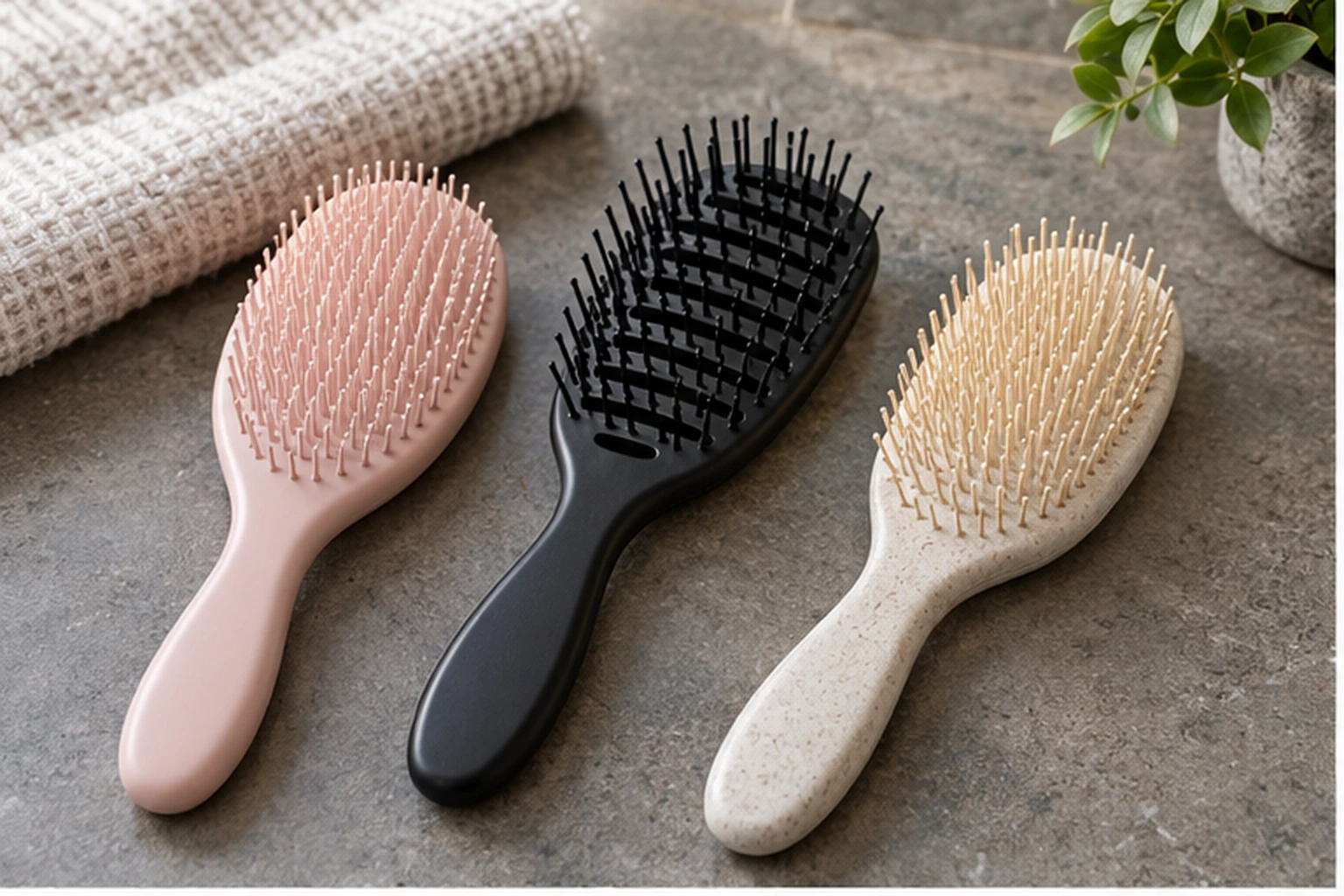
A brush can reduce snagging and help distribute product, but it cannot permanently change hair structure or eliminate humidity. Bristle flexibility, spacing, seams, heat limits, and technique determine usefulness.
Choose a product for a specific job
Decide whether the goal is slip, softness, shine, hold, detangling, or easier styling. One product rarely does every job well, and adding more layers can create buildup.
A brush can reduce snagging and help distribute product, but it cannot permanently change hair structure or eliminate humidity. Bristle flexibility, spacing, seams, heat limits, and technique determine usefulness.
Read the complete formula and directions
Check fragrance, allergens, container hygiene, size, seal, seller, and expiration or freshness guidance. A familiar brand name does not guarantee that every formula suits every person.
A brush can reduce snagging and help distribute product, but it cannot permanently change hair structure or eliminate humidity. Bristle flexibility, spacing, seams, heat limits, and technique determine usefulness.
Use less than the package photo suggests
Warm or spread a small amount, apply evenly, and add only where needed. The result should remain flexible and comfortable rather than greasy, stiff, or coated.
A brush can reduce snagging and help distribute product, but it cannot permanently change hair structure or eliminate humidity. Bristle flexibility, spacing, seams, heat limits, and technique determine usefulness.
Review delayed results
Note scalp or skin response, washout, residue, scent tolerance, and how the hair behaves the next day. Stop for persistent itching, swelling, pimples, or rash.
A brush can reduce snagging and help distribute product, but it cannot permanently change hair structure or eliminate humidity. Bristle flexibility, spacing, seams, heat limits, and technique determine usefulness.
Four checks before choosing
- Exact identity
Match the full model or formula, size, seller, and current directions. - Comfort and fit
Choose the least aggressive option that reliably performs the intended job. - Upkeep
Confirm cleaning, replacement parts, storage, and ongoing cost. - Support
Prefer clear warranty, returns, contact information, and realistic claims.
How to test it without overdoing it
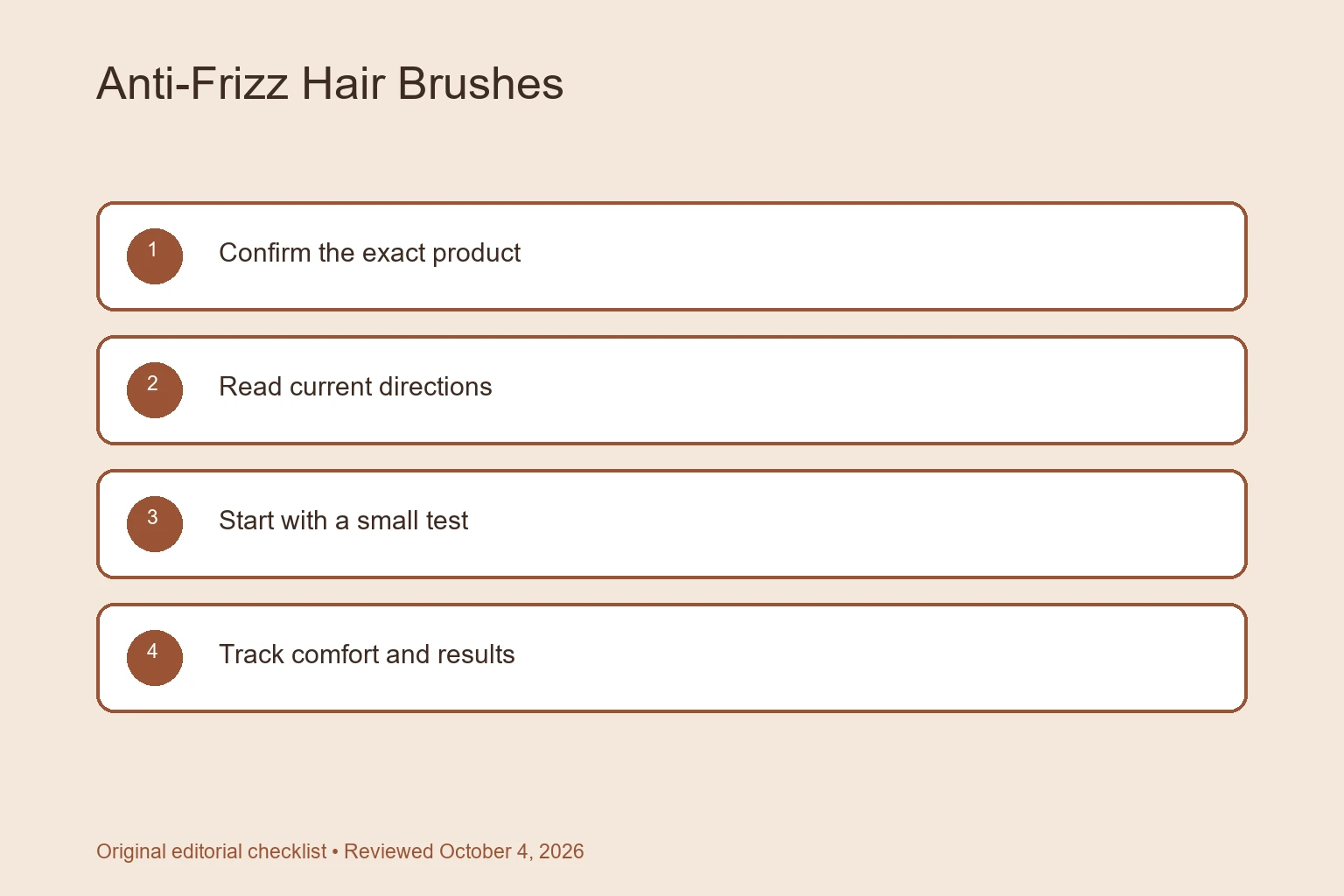
Begin with the smallest practical amount, lowest setting, longest guard, or gentlest technique. Test one change at a time and give the result enough time to judge delayed irritation, buildup, or wear. Stop when comfort declines rather than correcting the same area repeatedly.
Keep the packaging or model information until the product has proved suitable. Record the setting, amount, replacement part, and cleaning method that worked so the routine can be repeated instead of reinvented.
Safety and individual differences
A brush can reduce snagging and help distribute product, but it cannot permanently change hair structure or eliminate humidity. Bristle flexibility, spacing, seams, heat limits, and technique determine usefulness. Personal health, skin sensitivity, hair pattern, household setup, age, medication, and professional requirements can change the safest choice. Follow the current instructions and seek qualified help for persistent, severe, sudden, or unexplained problems.
A practical choice for your routine
Detangling Hair Brush
We’d favor flexible bristles when your main frustration is snagging during detangling.
As an Amazon Associate, this site earns from qualifying purchases.
Frequently asked questions
Is the highest-rated option automatically best?
No. Ratings can combine different versions and priorities. Fit, instructions, support, comfort, and the exact intended use matter more.
Should I choose the strongest setting or formula?
Use the lowest intensity that accomplishes the job. More force, heat, fragrance, active ingredient, or cutting exposure can increase irritation or risk.
How long should I test it?
Judge immediate control and comfort, then watch for delayed irritation, residue, maintenance burden, and replacement cost over several uses.
When should I stop?
Stop for pain, bleeding, burning, swelling, numbness, a spreading reaction, damaged equipment, or results that worsen with continued use.
Keep the decision current
Inspect the product before every use and retire it when wear changes comfort, hygiene, fit, temperature, alignment, or control. Do not extend useful life through improvised electrical, blade, structural, or chemical modifications.
The most dependable routine is easy to understand, affordable to maintain, and conservative enough to repeat. Keep notes on what worked and review them before buying a replacement.
Sources and review notes
This guide provides general education and does not replace medical, dental, plumbing, electrical, or professional advice.